Beyond
Tomorrow
Impact

Canada’s water rules weren’t written for the age of AI. Michelle Jadormeo is working on what comes next.

Freshwater policy researcher and advocate, Toronto

Scroll to go under

It started with a question about resilience.

At the University of Toronto, where Michelle earned an Honours BA in Political Science with Academic Distinction, she contributed to research on how Sudan’s civil war, which began in April 2023, affected small and medium-sized businesses: how they communicated, adapted, and stayed standing. She presented that work at UTSC’s first Department of Political Science Research Symposium. The question stayed with her long after: what makes a system hold under pressure?

A water person at heart, Michelle sees water as more than a resource: it is a relationship, a shared responsibility and a legacy to protect for future generations.

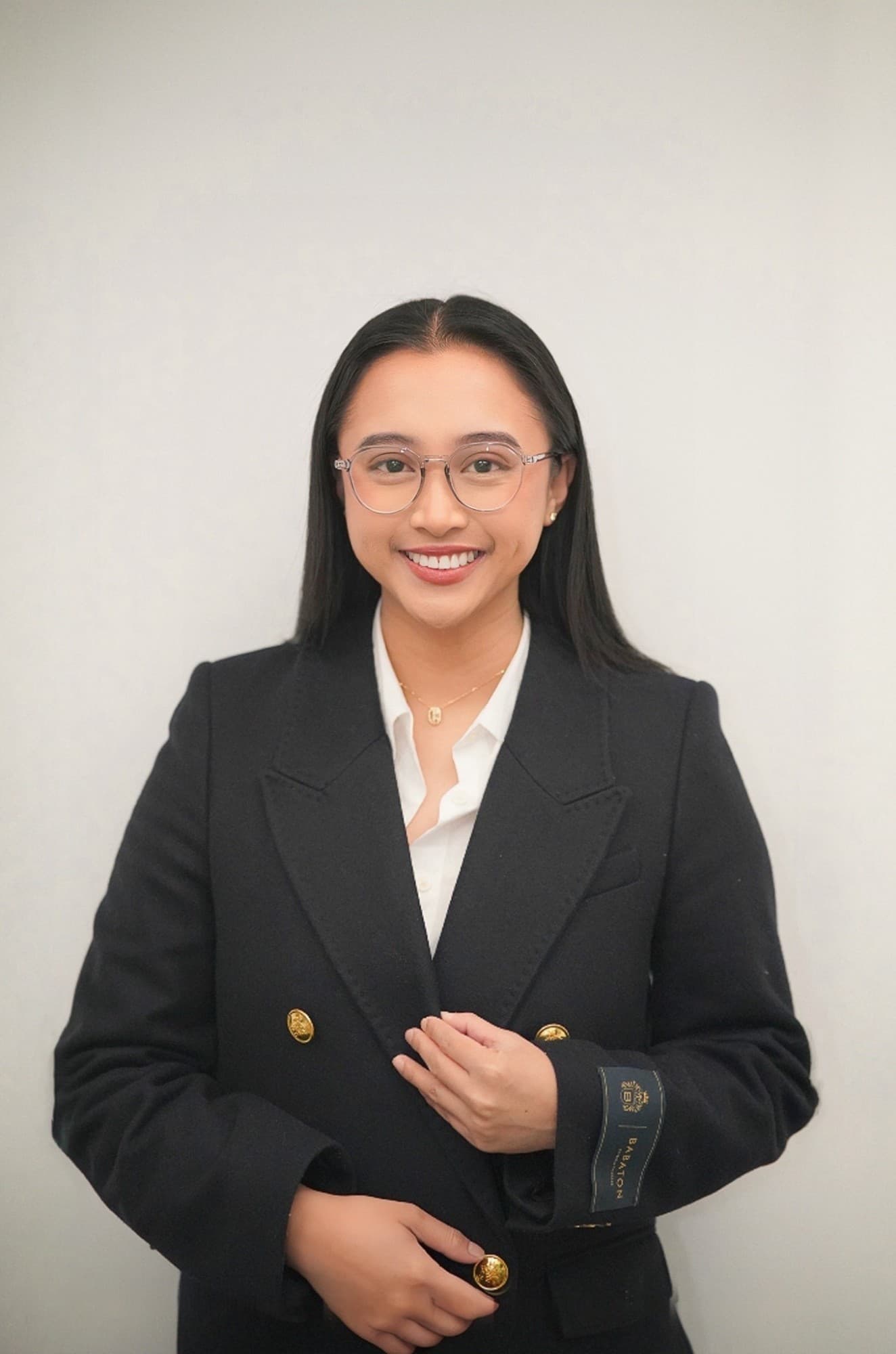
Portrait of Michelle Jadormeo

Canada holds a fifth of the world’s freshwater. Its rules weren’t built for what’s coming.

Climate change is making floods and droughts more extreme. Geopolitics is reshaping what neighbours want from shared waters. And a new kind of water user has arrived: AI data centres, rising across Canada, around the Great Lakes, and in cities close to water. Water permitting is handled province by province, and right now no one can say with confidence how much water these facilities use, or whether the rules are ready for them.

Canada holds about 20 per cent of the planet’s freshwater and 7 per cent of its renewable freshwater.

Source: Toronto Metropolitan University. (opens in a new tab)

Then the question became the work.

In 2025 Michelle started the Master of Public Policy and Administration at Toronto Metropolitan University and was named a 2025–26 Geoffrey F. Bruce Fellow in Canadian Freshwater Policy. Her research used comparative policy analysis to find the gaps and blind spots in how Canada oversees data centre water use, from water reuse rules to proposals for floating and submerged facilities. Through the Bruce Fellowship–Canada Water Agency mentorship program, she learned from national leaders how to turn research into policy that is equitable, sustainable, and respectful of Indigenous water rights.

The Work

Water in the age of AI

Data centres are a new category of water user. Her research asks what Canada needs to know, measure, and regulate before demand outpaces oversight.

What she’s working on

Clearer reporting on how much water data centres use, whether provincial permitting is ready for large new water users, and the policies that make water reuse possible.

The Great Lakes

The Great Lakes are where Canada’s water and its newest pressures meet.

What she’s working on

Research on freshwater policy issues in the Great Lakes region; serving on the board of Water Watchers, a grassroots organization protecting Ontario’s waters; strengthening collective action for the Great Lakes and future generations.

Indigenous water rights

Water governance that starts with respect for Indigenous water rights, not as an afterthought.

What she’s working on

Turning research into policy recommendations that respect Indigenous water rights; making room in Understand Water for Indigenous histories, teachings, relationships, and responsibilities for water; learning from Indigenous water leaders, like those she met in Ottawa in March 2026.

Water literacy and civic power

Policy only lasts when the public understands it and owns it.

What she’s working on

Understand Water, her water-literacy and policy-translation initiative; national campaigns like Canada Water Week; supporting civic literacy as an academic assistant for Power and Influence in Canadian Politics; research on online and remote voting in Nova Scotia municipalities.

1,000 signatures for a week that belongs to water.

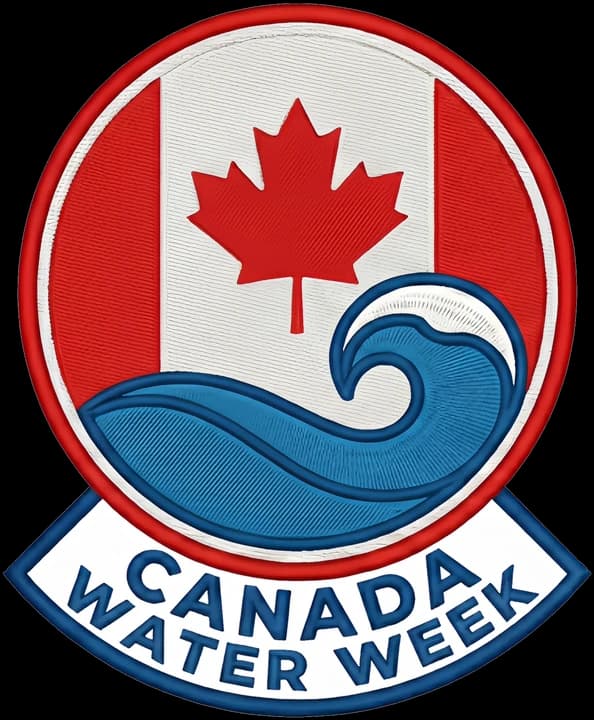
Ahead of World Water Day 2026, Michelle worked with fellow Bruce Fellows and graduate students to turn an idea into a national campaign: a House of Commons e-petition calling for official recognition of Canada Water Week. MP Terry Duguid sponsored it in February. The team had 30 days and needed 500 signatures to have it presented in the House. They built everything from scratch: emails, social posts, videos, outreach to watershed and environmental groups across the country, and the Canada Water Week logo, which Michelle designed. They gathered 1,000 signatures, and 863 were validated, well past the 500 needed.

On March 23, MP Duguid announced the petition in the House of Commons. That same day, Michelle was in Ottawa with the Bruce Fellows for the launch of a national Water Literacy Project, alongside more than 100 of Canada’s water policy leaders, Indigenous water leaders, and the President of the Canada Water Agency.

The campaign was also a tribute to the late Erika Bruce, who founded the Bruce Fellowships in 2017.

MP Duguid presented the petition, e-7165, in the House of Commons on April 29, 2026. The government tabled its response on June 12, 2026. Read the petition and the government’s response (opens in a new tab)
500 needed863 validated1,000 signed
The petition needed 500 validated signatures to be presented in the House of Commons. It gathered 1,000, and 863 were validated.
Canada Water Week logo, designed by Michelle Jadormeo: a round patch with the Canadian flag and a breaking wave, above a banner reading Canada Water Week
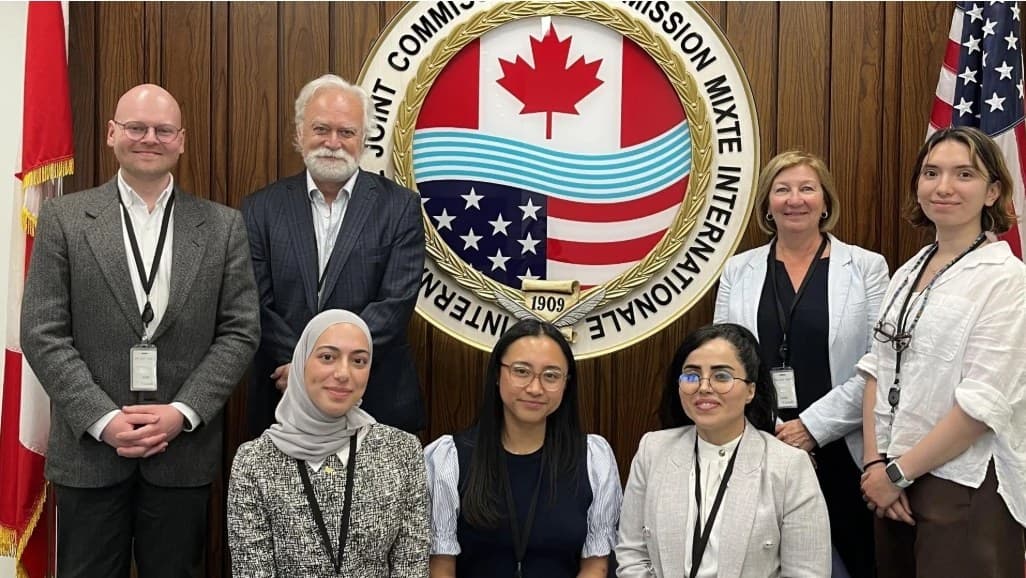
Seven people, students and staff, pose in front of the International Joint Commission’s seal, between the Canadian and American flags.
Bruce Fellows at the International Joint Commission’s Ottawa office, June 2026. Photo: International Joint Commission.

Public service isn’t just a career. It’s a responsibility. Nowhere does that responsibility reach further than water, because every decision made about it today is inherited by people who aren’t here yet.

Service, close to home.

Michelle serves on the Board of Directors of Water Watchers and is an alumni member of Waterlution. She volunteers with Journey Home Hospice, caring for people experiencing homelessness, and has volunteered with the Canadian Red Cross. She supports youth empowerment and gender equity through non-profit work. During her MPPA, she mentored undergraduates through TMU’s Tri-Mentoring Program and represented her peers on the MPPA Program Council.

The water protected today is the water someone drinks tomorrow.